

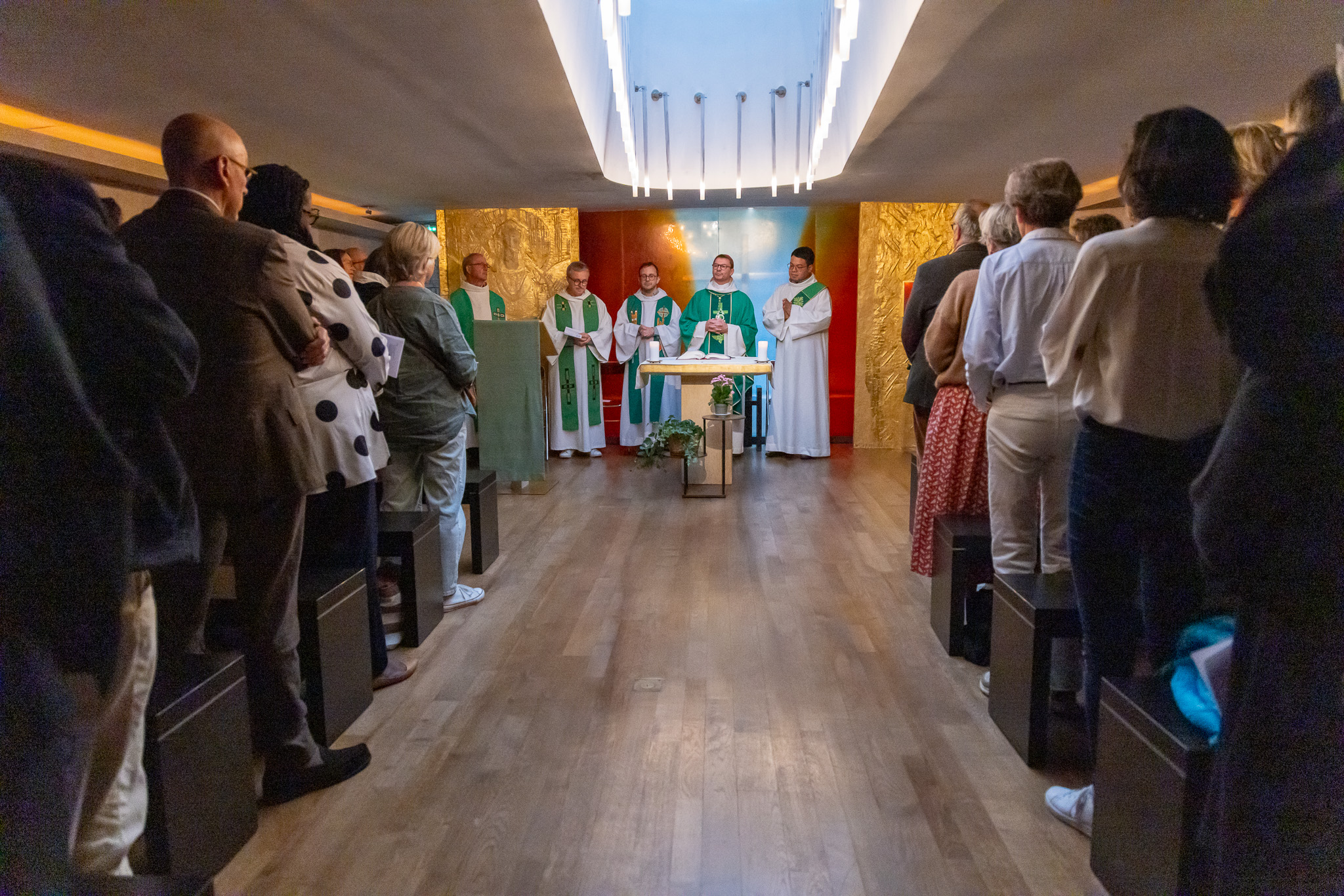
Are you attending mass for the first time and not quite sure what’s going to happen? Rest assured, you don’t need to understand or do everything perfectly. The Mass, or Eucharist, is a celebration. It is above all a time for prayer, meditation and sharing.
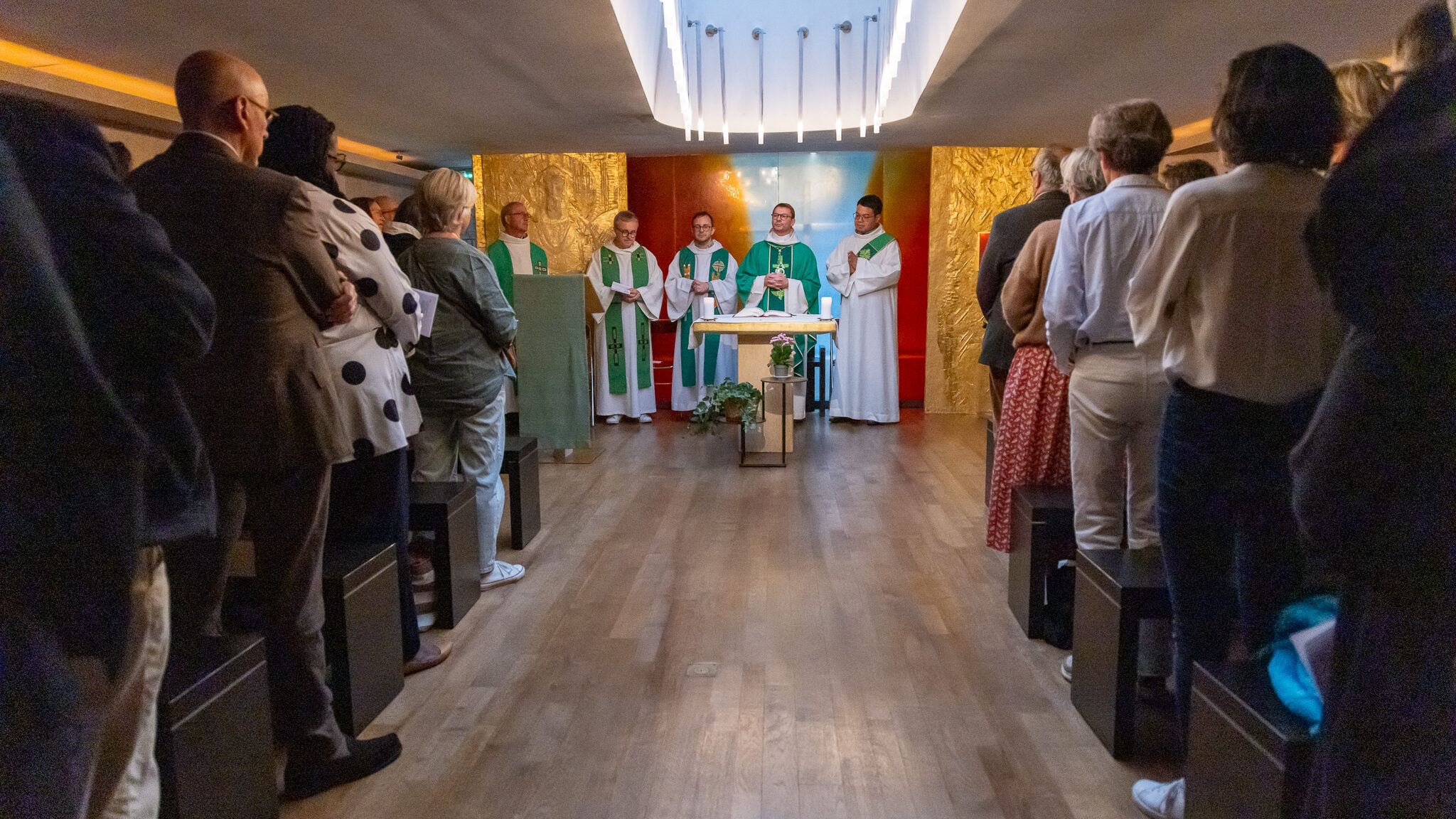
What is a mass?
Mass is the central celebration of the Catholic Christian faith. It brings the faithful together to pray, listen to the Bible and receive communion. It generally lasts between 45 minutes and 1 hour. Catholics gather for mass especially on Sundays, also known as the “Lord’s Day”.
The Mass follows a fairly stable pattern throughout the world, although some adaptations may be made to suit different countries or celebrations. It consists of four parts. Some of the readings and words may change according to the liturgical season, but the flow remains the same.
Opening rites
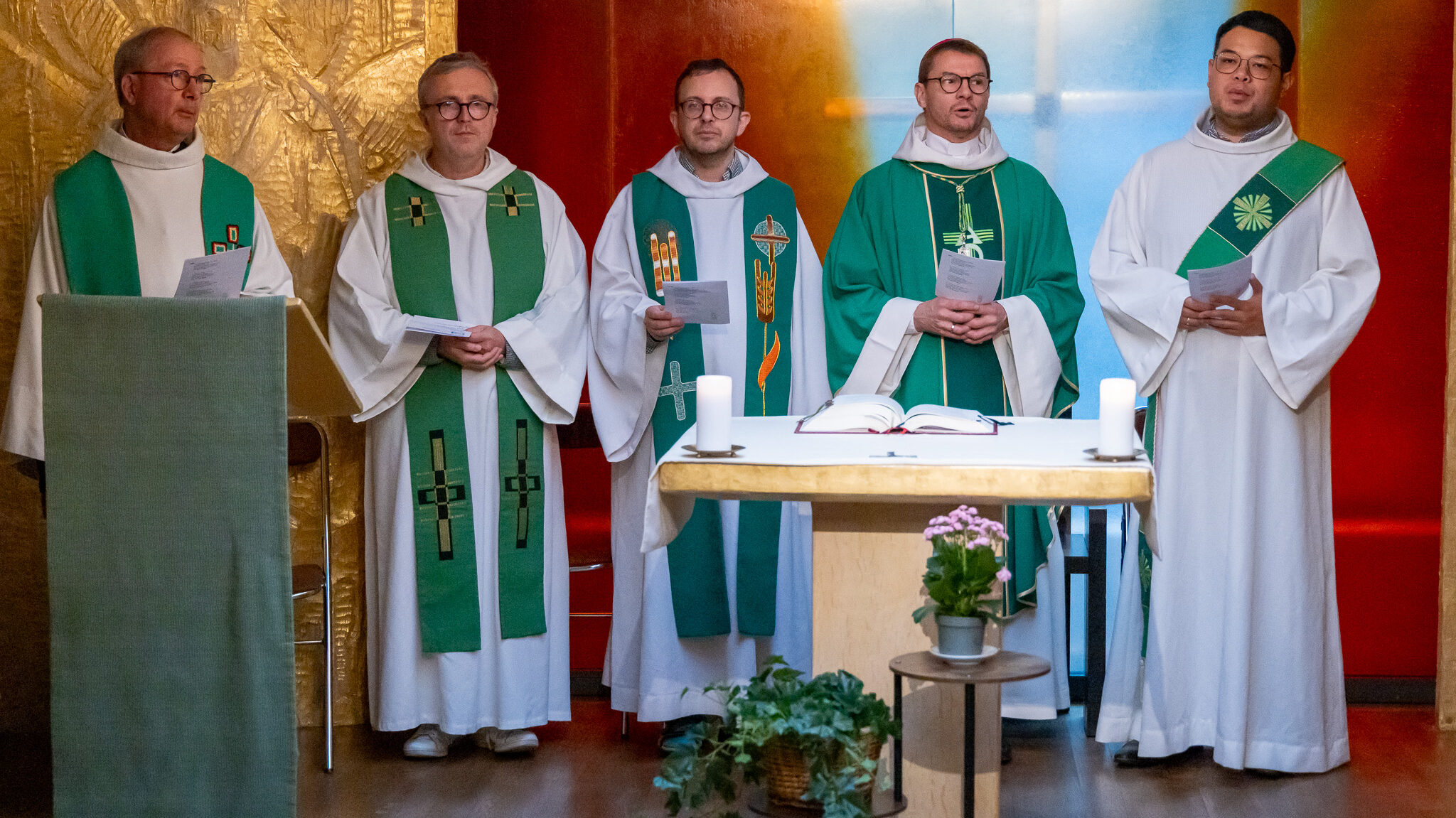
An entrance hymn opens the mass. It always begins with the priest entering in procession (sometimes accompanied by deacons or altar boys). The celebrants kiss the altar and then move to the place of the presider, where the priest takes his place to celebrate mass.
The sign of the cross
The priest opens the celebration with the sign of the cross: “In the name of the Father, and of the Son, and of the Holy Spirit”, and the faithful respond: “Amen“.
Then the priest usually says, “The Lord be with you,” and we reply, “And with your spirit.”
A word of welcome and forgiveness
The priest greets the congregation and then invites them to a time of forgiveness, called the penitential act. Everyone is invited to acknowledge their frailties and ask for God’s mercy.
“Brothers and sisters, let us prepare to celebrate the mystery of the Eucharist, acknowledging that we have sinned”.
The Gloria (depending on the day)
On Sundays and feast days, we sing or recite the Gloria, “Glory to God”, a song of praise to God. To sing Glory to God is to acknowledge his greatness.
After that, the priest says a prayer and we sit down.
Liturgy of the Word
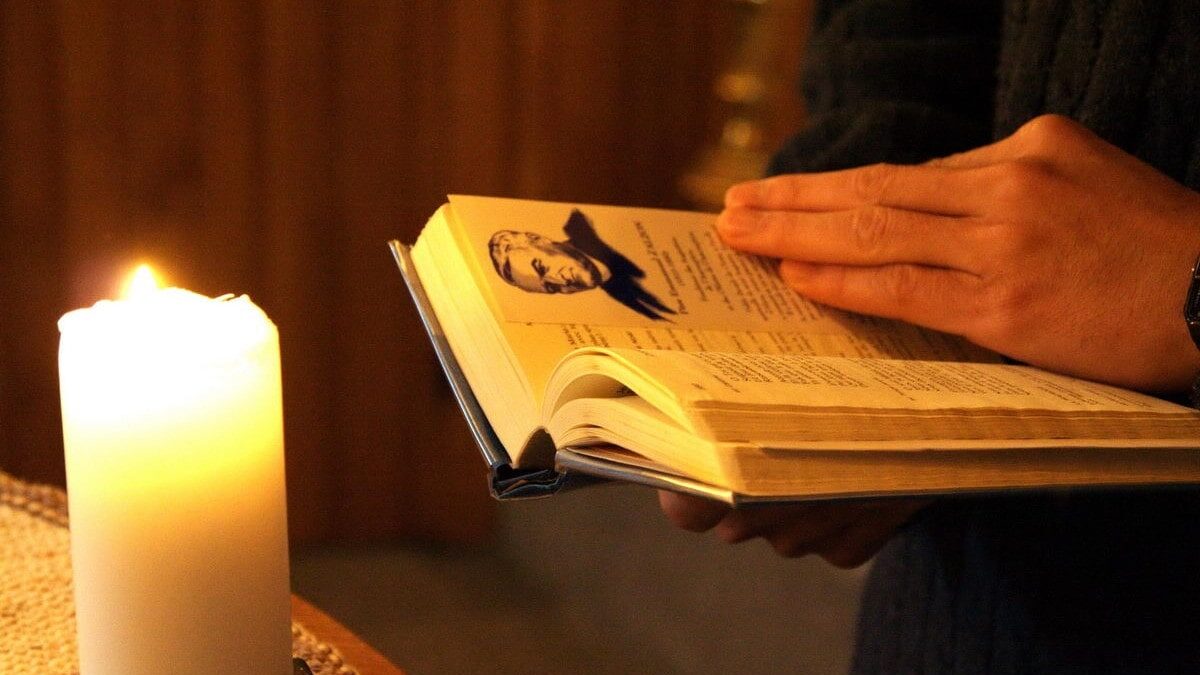
This part is devoted to listening to the Bible. This second part of the Mass is a time for dialogue with God.
Readings
In general, we mean :
- a first reading (from the Old Testament),
- a psalm, sung or recited,
- a second reading (from the New Testament, on Sundays),
- followed by the Gospel, the central moment of this liturgy.
During the Gospel, the high point of the Liturgy of the Word, the congregation rises in respect.
The homily
The priest comments on the biblical texts in a homily, clarifying their meaning and linking them to everyday life.
The Credo
On Sundays and major feasts, the congregation recites the Creed, which summarizes the main convictions of the Christian faith.
Universal prayer
The community prays for the world, the Church, people in need and special intentions.
The Eucharistic liturgy
This is the heart of the Mass. Bread and wine are brought to the altar. They symbolize the work of men and all life offered to God.
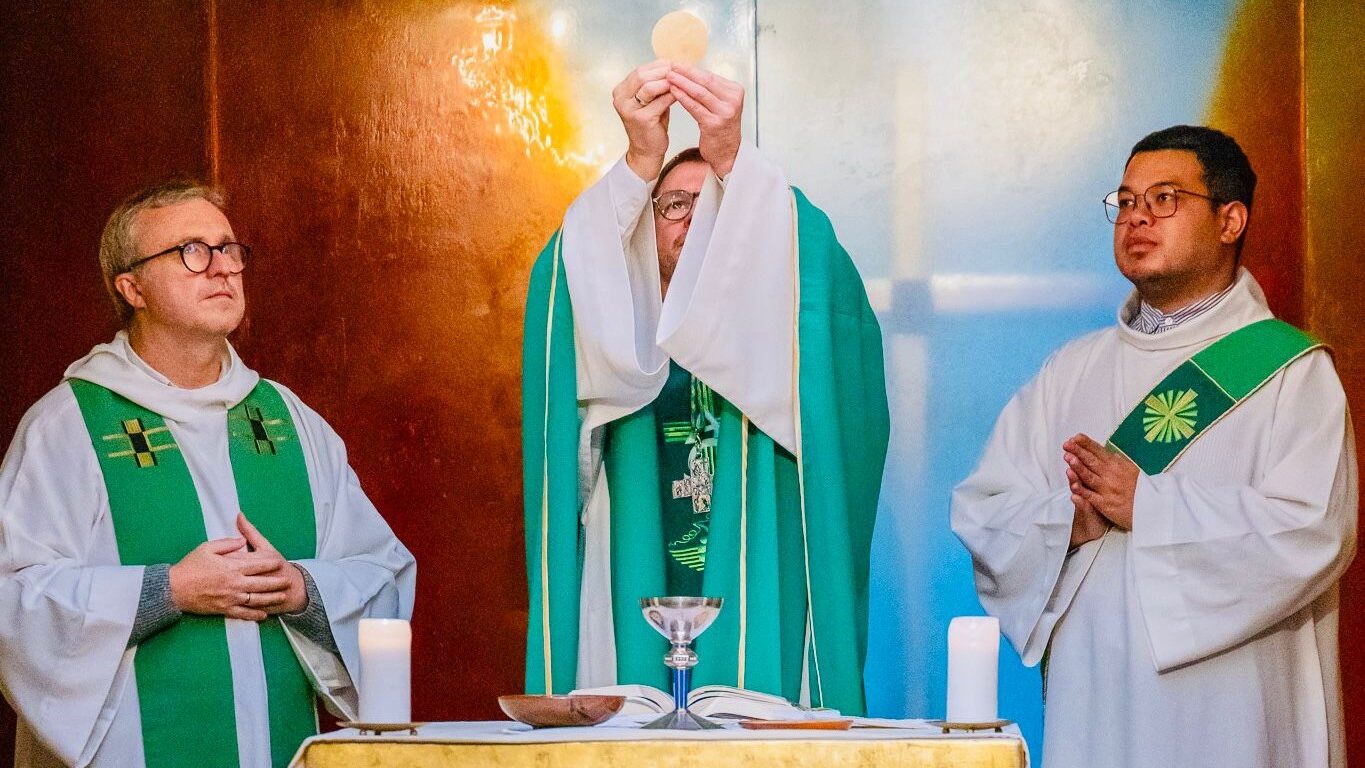
Eucharistic prayer
The priest says a prayer of gratitude, recalling the words of Jesus at his last supper. For Christians, the bread and wine become the Body and Blood of Christ.
The whole assembly recites together the prayer Jesus taught: the Our Father.
The gesture of peace
The faithful exchange a sign of peace (often a handshake or nod) with their neighbors.
Communion
Practicing Catholics may come forward to receive communion. If you are not baptized or do not wish to receive communion, you may remain in your place or come forward with arms folded to receive a blessing.
Concluding rites
The Mass ends with the Sending Time:
- a possible announcement, such as upcoming events.
- a final blessing,
- A word of greeting: “Go in the peace of Christ”, the faithful respond, “We give thanks to God.”
- and an exit chant, during which the priest leaves the church.
Sources :
Vivre la messe” book – Tilt collection