

The postulancy: a time for discerning one’s motivations
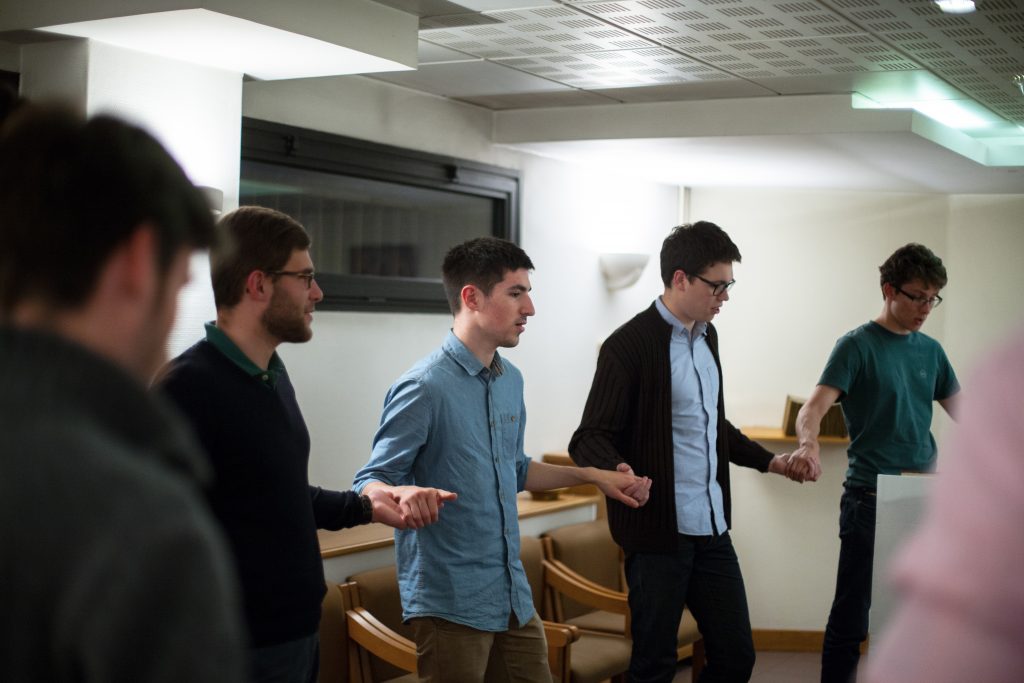
This period is “focused on discerning the motivations and attitudes that underlie the desire for religious life.” The young person lives in a designated community, continuing their studies or professional work. The aim is to deepen self-knowledge, to verify the “strength of their desire to follow Christ, but also to assess their ability to live in community and their desire for an apostolic life.”
The duration of this period may vary from one candidate to another depending on circumstances and the maturity of their journey; generally, it lasts 1 or 2 years.
The novitiate: a year of training specific to religious life
The duration of the novitiate is set by the congregation’s own rules at one year. In special cases, a novice may request an extension of the novitiate for one year, unless the provincial superior requests such an extension (for a maximum of six additional months).
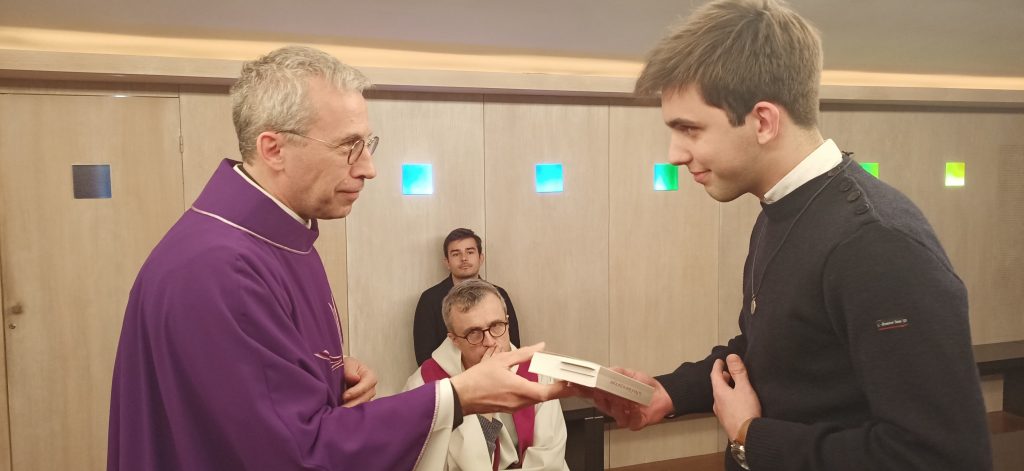
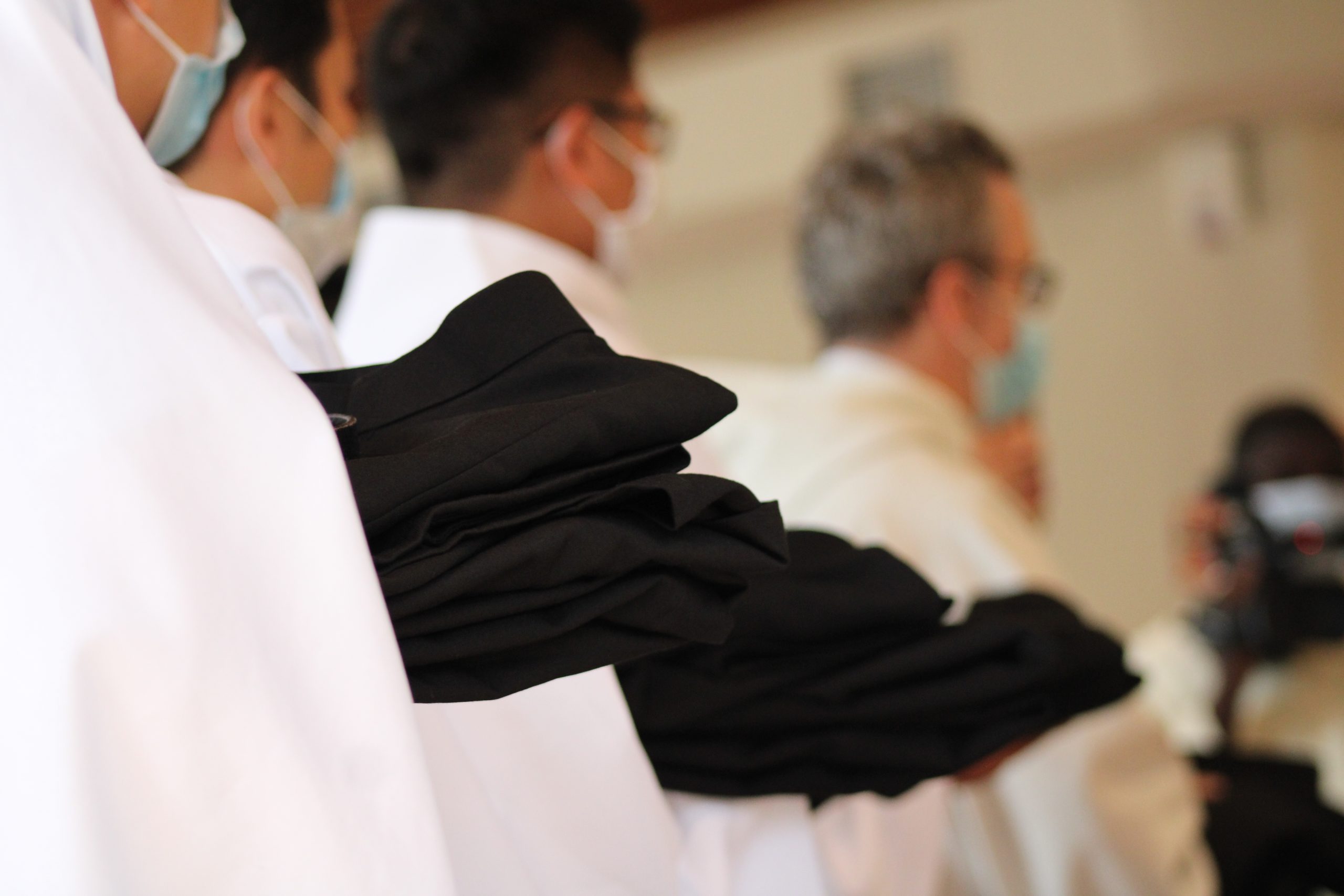
This year is a year of formation specific to religious life in the congregation: spiritual experience, discernment of vocation, confirmation of the call received, knowledge of the founder, the history of the congregation, religious life throughout the centuries, its spirituality, its charism, its sources, Saint Augustine, the rule of life, major texts of the Magisterium, and the daily practice of the Church’s liturgical prayer. At this stage, regular and open dialogue with the novice master is fundamental and indispensable. It is at the end of this journey that the novice requests admission to first profession.
The congregation runs four novitiates: St. Lambert, Saigon, Manila, and Sokodé
The Era of Philosophical and Theological Education
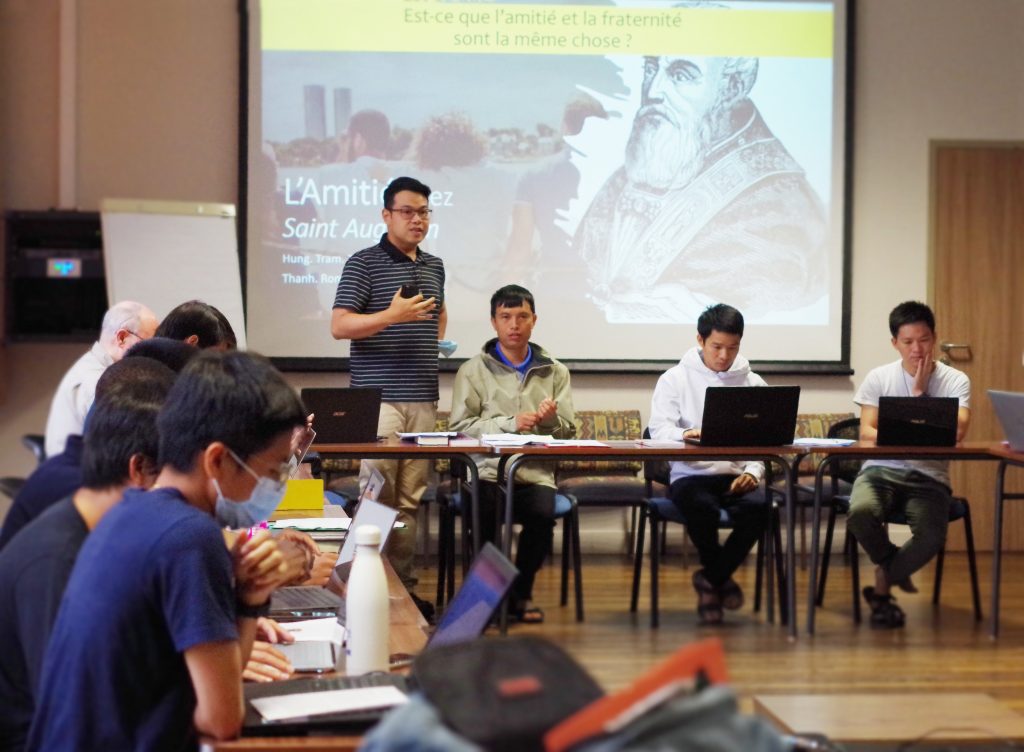
Formation generally takes place at a Catholic university or a seminary. The young religious lives in community; he participates in community decisions because he lives as a religious. He renews his vows annually until he takes his final vows (after a minimum of 3 years and a maximum of 6 years).
It is “a time for deepening one’s roots and applying what has been learned, a time for learning fidelity, endurance, and patience. It is also a time when the brother deepens his understanding of the spirit and vocation of the apostolic community, and finally, a time of preparation for his future mission.”
In practical terms, this period is generally marked by rigorous philosophical and theological formation; some are called to continue their studies through the doctoral level.
At the end of the temporary vows
The young religious takes some time out: for a year, even as daily life goes on, he makes a special effort to spend time in discernment: three weekends and a silent retreat lasting at least a week.
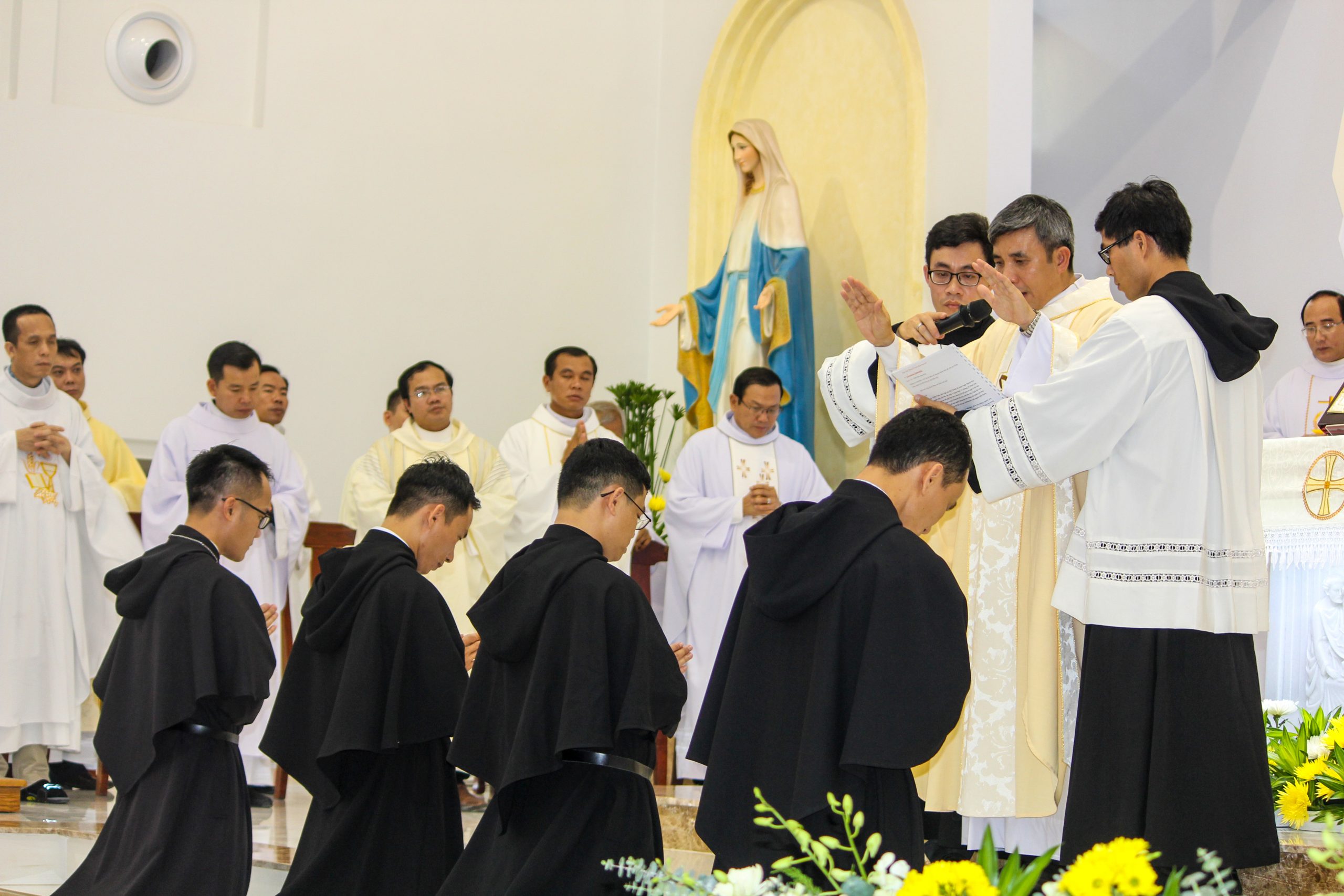
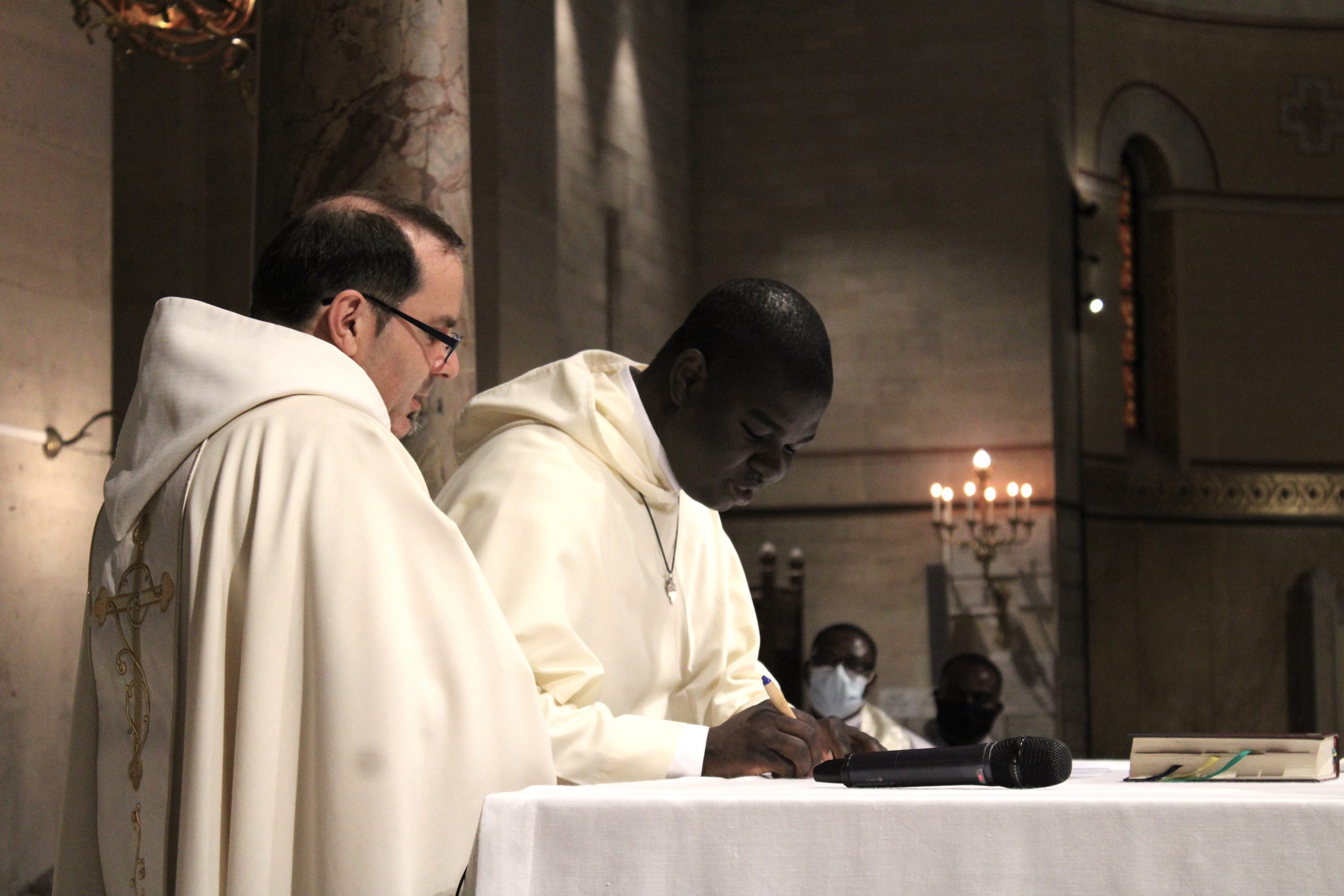
The religious then writes a request and a lengthy personal reflection, a text of thanksgiving for all that has been experienced, without shying away from the questions that remain. The religious with whom he has lived throughout his years of formation also offer their input. Then the young religious is summoned by the Superior General of the Congregation. This is followed by the grand celebration of final vows, during which the religious solemnly pronounces:
In the presence of my brothers and sisters, into your hands, Father Provincial, representing the Superior General, out of love for Christ and to spread His Kingdom, I, Brother N. I promise God to live in poverty, chastity, and religious obedience until death, according to the Rule of Saint Augustine and the Rule of Life of the Assumption
What about the priesthood?
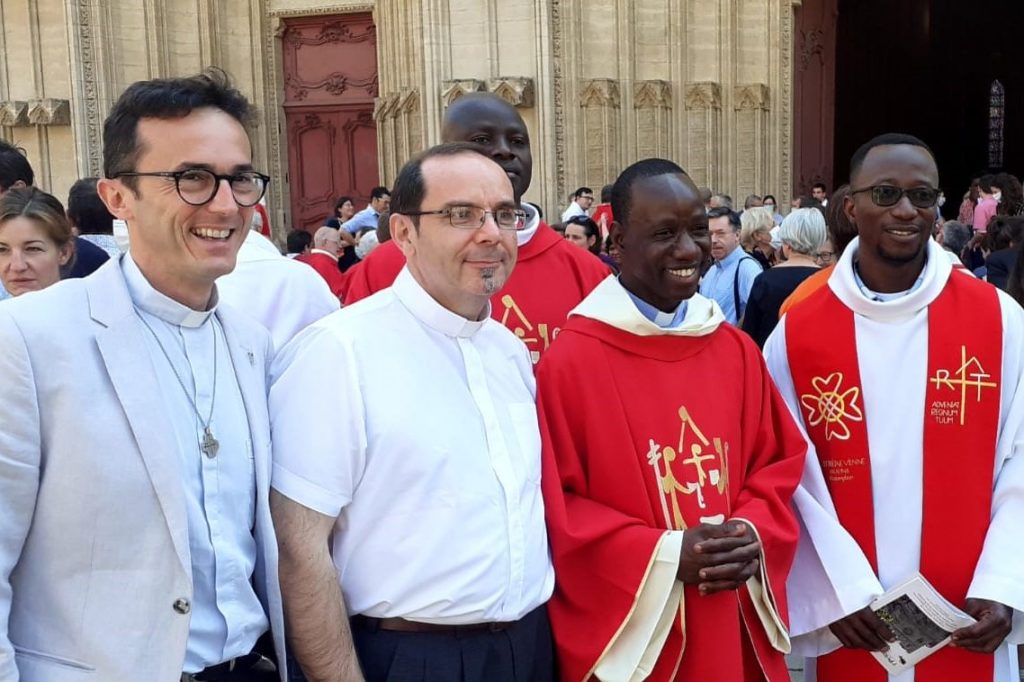
As an Assumptionist, he is first and foremost a religious. For the service of the Church and the good of the congregation, he may be asked to prepare, if he so desires, to receive holy orders. It is after perpetual profession that a candidate for the priesthood may request diaconal and priestly ordination. A year as a deacon allows him to take his first steps in service and ordained ministry.
Lifelong learning
It is clear that formation does not end here. Throughout his life, the religious must continue to cultivate his mind, his heart, and his intellect.
The congregation currently trains nearly 200 young religious in the 18 countries that make up the European Province, including not only continental Europe but also Korea, Vietnam, the Philippines, Burkina Faso, and Togo.
For the Augustinians of the Assumption, formation is an essential mission in a world that needs people capable of dialogue. And this requires a high-quality formation: human, spiritual, intellectual, and pastoral.
Need more information?
Please feel free to contact us for more information