International volunteering at a glance
- The preferred partner for international volunteering is the DCC
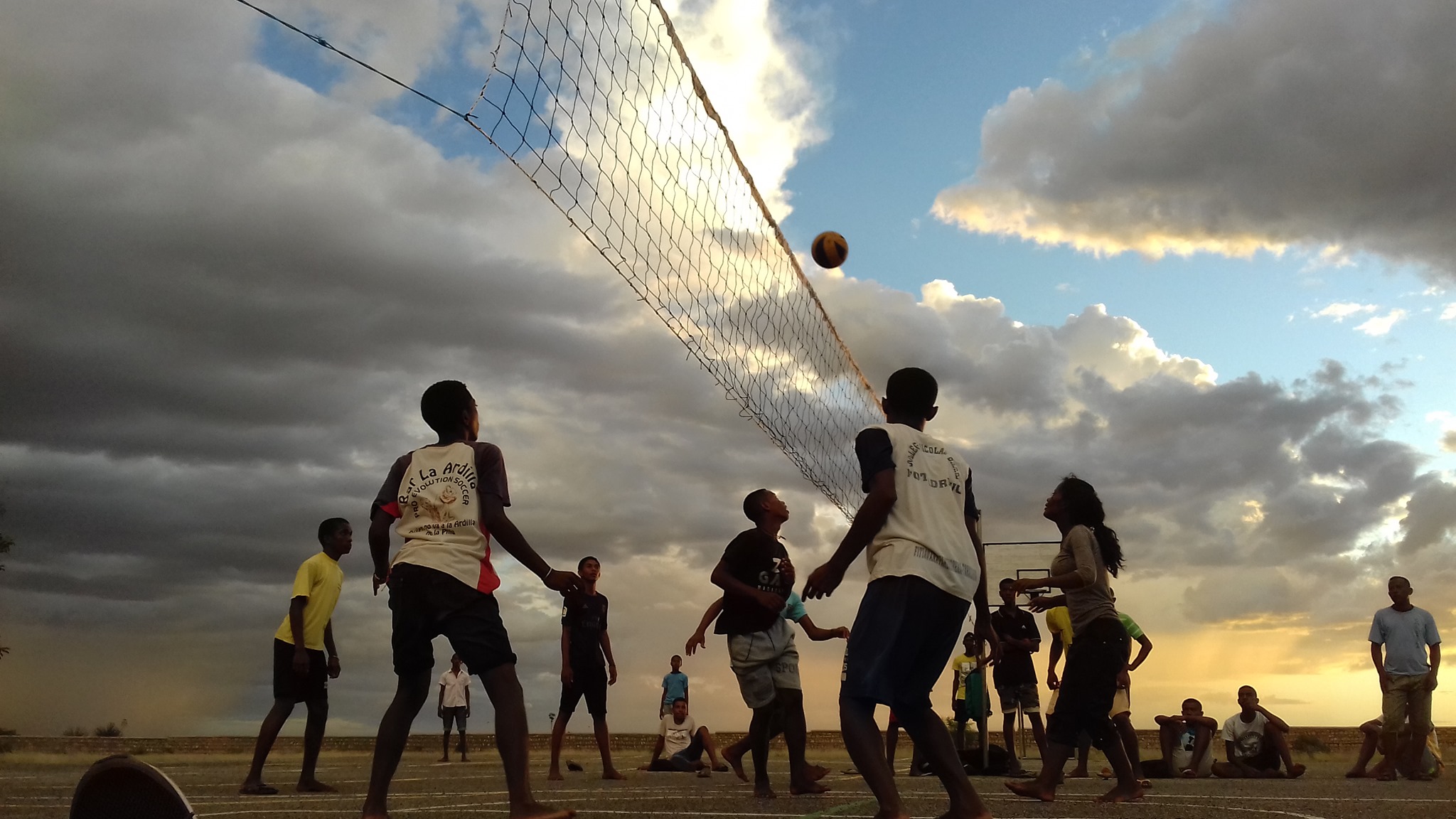
- Volunteer positions (at least 12 months) are available on 3 main continents: South America, Africa and Madagascar, Asia (Vietnam and the Philippines).
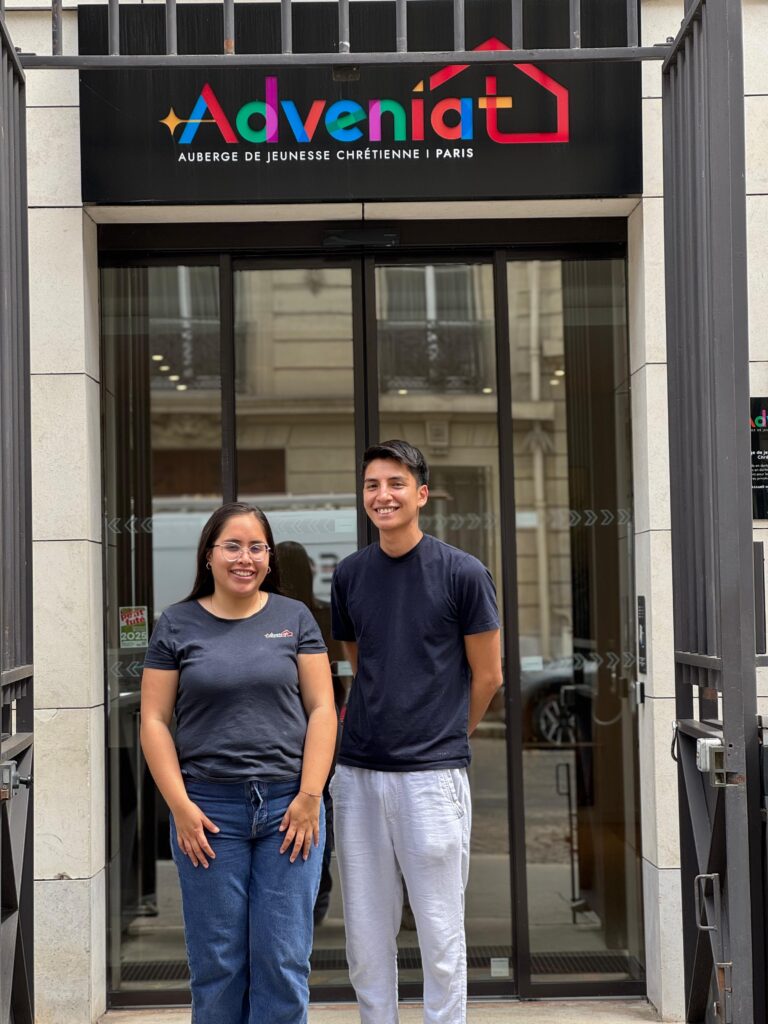
- Volunteer positions (3 to 6-month assignments) are preferred in Europe: youth hostels in Paris, Athens, Rome, Plovdiv (Bulgaria), Bucharest, etc.
Frequently asked questions about international volunteering
Volunteers
3 to 6-month commitment to a mission in the service of a work of the Assumption.
International volunteers
Young singles, couples or families, retired or in professional transition. Profiles are varied …
Some conditions for volunteering
Volunteering is preferably carried out in partnership with an organization approved by the French government, such as the DCC. A minimum 12-month commitment is the preferred length, although it is not compulsory: this allows the volunteer to get to know the context and the work.
Once you have thought about your project, and in particular defined the period and, if possible, the region, you should contact the Augustinians of the Assumption. To avoid misunderstandings as much as possible, no file will be initiated before a physical meeting between the candidate and an Assumptionist in charge of receiving applications.
If you are volunteering for more than a year on another continent, preparation and training take an average of 4 months.
For volunteer work, if the local context is straightforward, things can move more quickly, but it takes a minimum of 2 months from receipt of a complete application to the start of the assignment.
L’Assomption has set up a small candidate selection team that works on an ongoing basis. Please note that an incomplete application file will inevitably extend the deadline.
The mission is by definition associated with a local religious community. If the volunteer is staying in the community, the links are even closer, particularly through shared meals and times of prayer. The spiritual aspect is therefore essential.
Assumptionist spirituality is at the service of the Church and the world. It is therefore important to be at ease with these two dimensions and to be willing to help them grow in balance, with the help of the religious present. In no way will volunteering be considered a stage in religious life; the freedom of the volunteer is essential.
Yes, a volunteer is never appointed to a place or position he or she doesn’t want to go to. The more available and open-minded the candidate, the more proposals will be made.
Volunteers should not set out with the idea of changing the world or saving a country or region. Their aim should be to share the lives of fellow human beings, in their usual context, by making themselves useful.
Work is only one element of the experience. It is delimited in time and space according to the rules in use. It includes rest periods and vacations.
The longer the assignment, the more comprehensive the coverage. It all depends on whether the volunteer has left with an organization approved by the French government, such as the D.C.C., in which case he or she benefits from the provisions valid for all VSIs. If the volunteering is an agreement between the volunteer and Assumption, the arrangements have to be defined on a case-by-case basis.
No departure can take place without insurance, an agreement on remuneration and a description of local conditions. A volunteer contract, defining working and living conditions, is signed by the volunteer and one of the Assumptionists in charge of the program before the start of the mission.
Most of the time, volunteers live in an Assumptionist community where they have their own room. They also have access to the community’s facilities. In the case of families, accommodation is nearby.